









Dispelling common myths about gambling What you really need to know
Understanding the Reality of Gambling Odds
A common myth about gambling is that players can somehow manipulate the odds in their favor. Many people believe in “hot” or “cold” streaks, thinking that a machine or game is due for a win after a series of losses. In reality, each game outcome is independent, governed by random number generators that ensure fairness. This means that past results have no bearing on future outcomes. For those looking to explore options, new online casinos offer exciting possibilities and are worth checking out.

The odds in gambling are designed to favor the house, ensuring that, over time, casinos make a profit. This doesn’t mean that players can’t win; it simply means that the odds are structured in a way that players need to be aware of. Understanding this can help players set realistic expectations and avoid chasing losses.
The Myth of Gambling as a Reliable Source of Income
Another prevalent misconception is that gambling can serve as a steady source of income. While some individuals may experience short-term success, the majority of players will not sustain consistent profits. Gambling should be viewed as a form of entertainment rather than a financial strategy. Those who rely on gambling for income often find themselves in precarious situations.
It’s important to recognize that the allure of winning big can cloud judgment. Establishing a budget and adhering to it can help mitigate risks. Players should only gamble with money they can afford to lose, treating their expenditure as an entertainment cost, similar to dining out or attending a concert.
Debunking the ‘Gambler’s Fallacy’
The gambler’s fallacy is the belief that previous events can affect the likelihood of future outcomes. For instance, if a roulette wheel lands on red several times in a row, some may assume that black is “due” to come up next. This line of thinking disregards the fact that each spin is independent, and the odds remain the same regardless of past results.
This misconception can lead to poor decision-making and increased losses. By understanding that each gamble is a separate event, players can approach their gaming choices with a clearer mindset, allowing them to enjoy the experience without falling victim to flawed logic.
The Role of Skill in Gambling Games
Many believe that gambling is purely based on luck, but this isn’t entirely true. While games like slots rely solely on chance, others, such as poker and blackjack, involve a significant amount of skill. Players can improve their odds by learning strategies, reading opponents, and making informed decisions.
However, the idea that skill can completely override the house edge is also misleading. Even skilled players will face losses over time. Recognizing the balance of skill and chance allows players to appreciate the complexities of different games and enjoy them more responsibly.
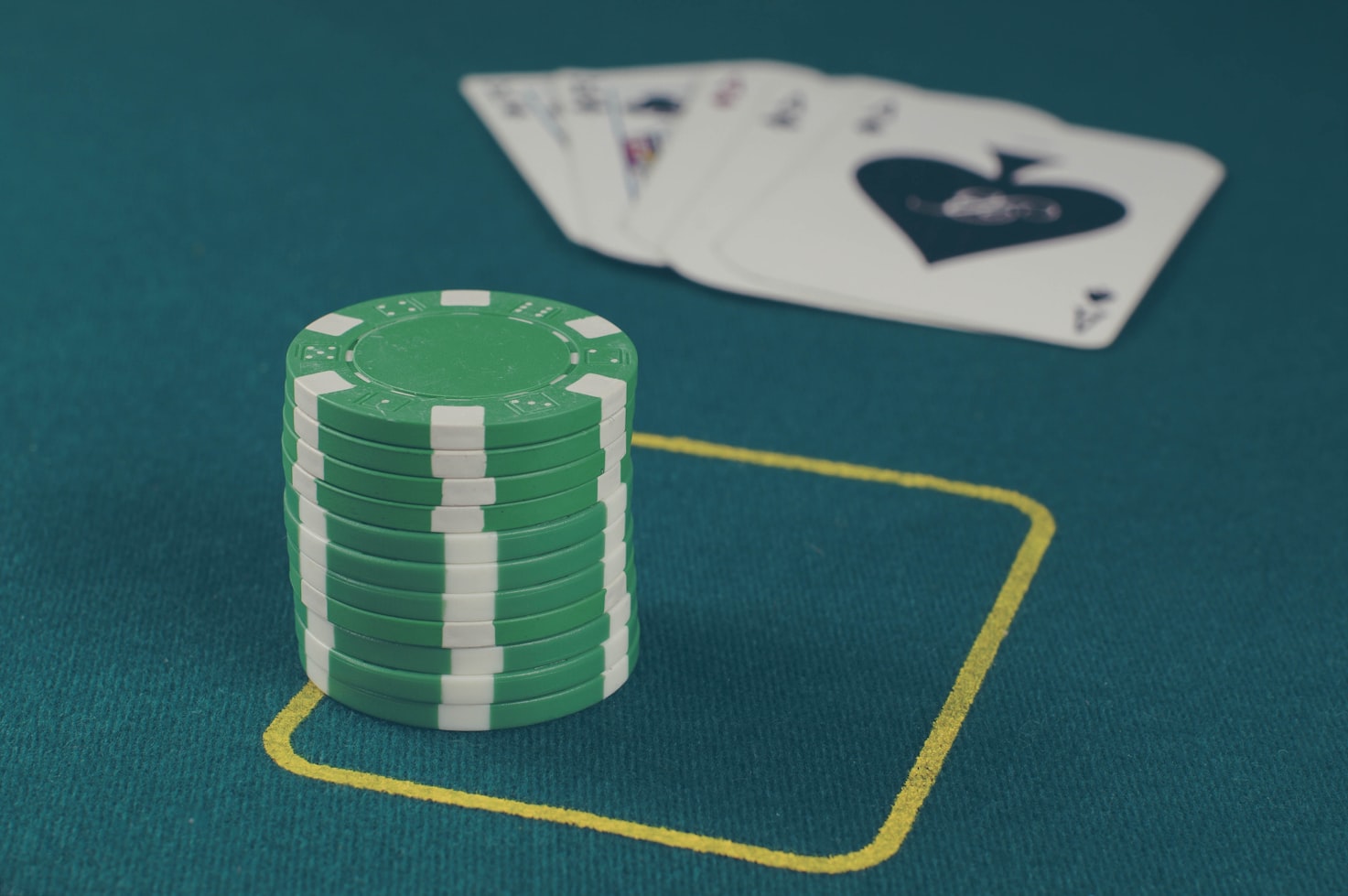
Your Guide to Responsible Gambling Practices
When engaging in gambling, it’s crucial to practice responsible habits. Setting a budget is essential; players should decide in advance how much they can afford to spend without impacting their daily lives. Using tools like deposit limits and self-exclusion can also help manage gambling activities.
Our platform offers tailored insights and reviews to assist players in making informed decisions about online gambling. By understanding myths and practicing responsible gambling, players can enhance their experience while minimizing risks associated with gambling.

Add comment